Apicoectomy: When Root Canal Retreatment Isn’t Enough
September 24, 2026
Root Canal Retreatment: Why Would a Treated Tooth Need Another Procedure?
October 9, 2026
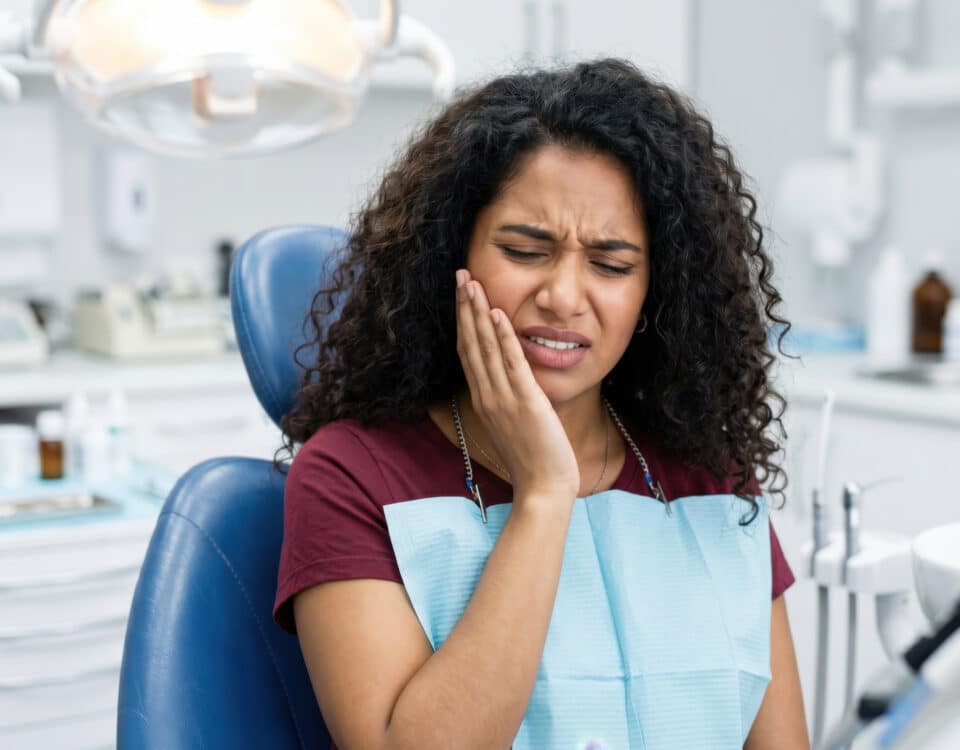
You bite into your lunch and suddenly feel a sharp pain in one tooth. When you stop chewing, the discomfort disappears. Maybe it only happens with harder foods, or perhaps the tooth has become increasingly tender whenever you put pressure on it.
Tooth pain when biting down isn’t something you should ignore.
Pain with chewing or pressure can have several possible causes, ranging from a damaged filling to a cracked tooth or inflammation inside the tooth. Determining exactly where the pain is coming from is important because some conditions can worsen without treatment.
At Northern Colorado Endodontics, we specialize in diagnosing and treating pain that originates from the inside of the tooth and surrounding tissues. If you can’t figure out why a tooth hurts when you chew, an endodontic evaluation can help identify the source.
Why Does Biting Pressure Make a Tooth Hurt?
Your teeth are designed to withstand significant pressure from everyday biting and chewing. When a healthy tooth suddenly becomes painful under pressure, it can indicate that something has changed.
The problem could involve the tooth itself, the dental pulp inside it, the tissues around the root, or a dental restoration.
The type of pain can also vary. You might experience:
- Sharp pain when biting
- Pain when releasing your bite
- Dull aching or pressure
- Tenderness when chewing
- Sensitivity to hot or cold temperatures
- Pain that lingers after eating
- Discomfort that seems isolated to one tooth
These details can help your dentist or endodontist narrow down the potential cause.
Could You Have a Cracked Tooth?
A cracked tooth is one possible explanation for pain when biting.
Cracks can develop for many reasons. You might bite down on something hard, experience an injury, grind or clench your teeth, or simply develop cracks as your teeth experience years of everyday use.
Some cracks are visible, but others can be extremely difficult to see.
A classic symptom of a cracked tooth is pain that occurs while biting or when releasing biting pressure. The discomfort may come and go, which can make the problem difficult to identify.
Temperature sensitivity may also occur.
Treatment depends on the location and extent of the crack. Some cracked teeth can be restored and preserved, while cracks extending into certain areas of the tooth may have a less favorable prognosis.
An accurate diagnosis is essential before deciding how to proceed.
An Inflamed or Infected Dental Pulp May Be Responsible
Inside each tooth is a soft area known as the dental pulp, which contains nerves, blood vessels, and connective tissue.
Deep decay, cracks, trauma, or other damage can allow the pulp to become inflamed or infected.
As the condition progresses, you may experience pain when chewing or putting pressure on the tooth. Other symptoms can include lingering sensitivity to hot or cold, spontaneous toothaches, swelling, or tenderness around the tooth.
In some situations, the nerve inside the tooth may eventually stop functioning, but that doesn’t necessarily mean the problem has resolved. Infection can extend into the tissues surrounding the root.
When the dental pulp can’t recover, root canal treatment may be recommended to remove the affected tissue while preserving the natural tooth.
Could a Cavity Cause Pain When Chewing?
Yes. Tooth decay can sometimes cause discomfort when biting, particularly when a cavity has progressed deeper into the tooth.
Early cavities frequently don’t cause pain at all. As decay moves through the enamel and into deeper layers, the tooth may become more sensitive.
You might notice sensitivity to sweets, hot or cold foods, or pressure.
If decay reaches the pulp, the nerve tissue may become significantly inflamed or infected. At that point, simply placing a filling may no longer be enough to address the problem.
This is one reason it’s important to have persistent tooth pain evaluated rather than waiting for it to become severe.
An Abscess Can Make a Tooth Tender to Pressure
An infection originating inside a tooth can sometimes spread beyond the end of the root and affect the surrounding tissues.
This may result in a dental abscess.
An abscessed tooth can become very tender when biting or chewing. You may also experience swelling, gum tenderness, a persistent toothache, or a bad taste in your mouth.
Some dental infections cause significant pain, while others may have surprisingly mild symptoms.
Swelling of the face or jaw, fever, difficulty swallowing, or difficulty breathing can indicate a more serious infection and requires prompt medical or dental attention.
Could an Old Filling or Crown Be Causing the Problem?
Previous dental work can also contribute to discomfort.
Fillings and crowns are designed to restore damaged teeth, but restorations can become worn, loose, fractured, or damaged over time.
Decay may also develop around or underneath an existing restoration.
If the tooth has recently received a filling or crown and your bite feels different, the restoration may sometimes require adjustment. A restoration that interferes with your normal bite can place excessive pressure on the tooth.
However, persistent pain shouldn’t automatically be blamed on the filling or crown itself. Your dentist or endodontist may need to evaluate the tooth to determine whether the pulp has also been affected.
What If the Tooth Has Already Had a Root Canal?
A tooth that previously received root canal treatment can occasionally become painful again.
This doesn’t necessarily mean the original treatment was performed incorrectly.
Complex root anatomy, a new cavity, a damaged restoration, a fracture, or new bacterial contamination can sometimes cause problems months or even years after treatment.
Depending on the cause, root canal retreatment may be an option for saving the tooth.
In other cases, an endodontic procedure such as an apicoectomy may be considered.
If a previously treated tooth becomes painful when you bite, having it evaluated by an endodontist can help determine what’s happening and whether additional treatment is appropriate.
What Does an Endodontist Look For?
Diagnosing biting pain can sometimes be challenging, especially when symptoms come and go.
An endodontist specializes in diagnosing tooth pain and conditions involving the dental pulp and tissues surrounding tooth roots.
During an evaluation, your endodontist may ask when the pain began, what triggers it, how long it lasts, and whether you’ve experienced temperature sensitivity or swelling.
The examination may also include:
- Testing individual teeth for sensitivity
- Evaluating tenderness to biting or pressure
- Examining the gums and surrounding tissues
- Assessing previous dental restorations
- Dental imaging
- Testing the health of the dental pulp
- Looking for signs of cracks or fractures
The goal is to identify the source of the discomfort before recommending treatment.
Does Pain When Biting Always Mean You Need a Root Canal?
No.
Pain when chewing doesn’t automatically mean you need root canal treatment.
The appropriate treatment depends entirely on the cause of the pain.
A bite adjustment, restoration, or other dental treatment may be appropriate in some cases. If the dental pulp is irreversibly inflamed or infected, however, root canal treatment may be recommended to save the tooth.
That’s why diagnosis comes first.
Root canal treatment shouldn’t be performed simply because a tooth hurts. Your provider needs to determine whether the pulp is actually the source of the problem.
When Should You See an Endodontist?
Occasional minor sensitivity may not always indicate a serious problem. However, pain that repeatedly occurs when biting deserves attention.
Consider scheduling an evaluation if:
- The same tooth consistently hurts when you chew
- You experience sharp pain when biting or releasing your bite
- Your tooth is also sensitive to hot or cold
- Temperature sensitivity lingers
- The tooth aches without an obvious trigger
- You notice swelling around the tooth or gums
- A tooth with a previous root canal has become painful
- Your dentist suspects a crack or problem with the dental pulp
- Your symptoms are becoming more frequent or severe
Waiting for the pain to become unbearable isn’t necessary.
Early evaluation may provide more options for protecting and preserving the natural tooth.
Don’t Ignore Pain When You Bite
Your teeth shouldn’t consistently hurt when you chew.
A painful bite may be related to a cracked tooth, deep decay, an inflamed or infected dental pulp, a dental abscess, a damaged restoration, or another condition requiring attention.
At Northern Colorado Endodontics, our focus is diagnosing tooth pain and providing specialized endodontic care when the inside of a tooth or surrounding tissues are involved.
If you have a tooth that hurts when you bite down, schedule an evaluation with Northern Colorado Endodontics. Finding the source of the pain is the first step toward relieving your symptoms and determining whether the natural tooth can be preserved.