

Dental Trauma: When a Tooth Injury Needs Endodontic Care
September 16, 2026
Why Does My Tooth Hurt When I Bite Down?
October 1, 2026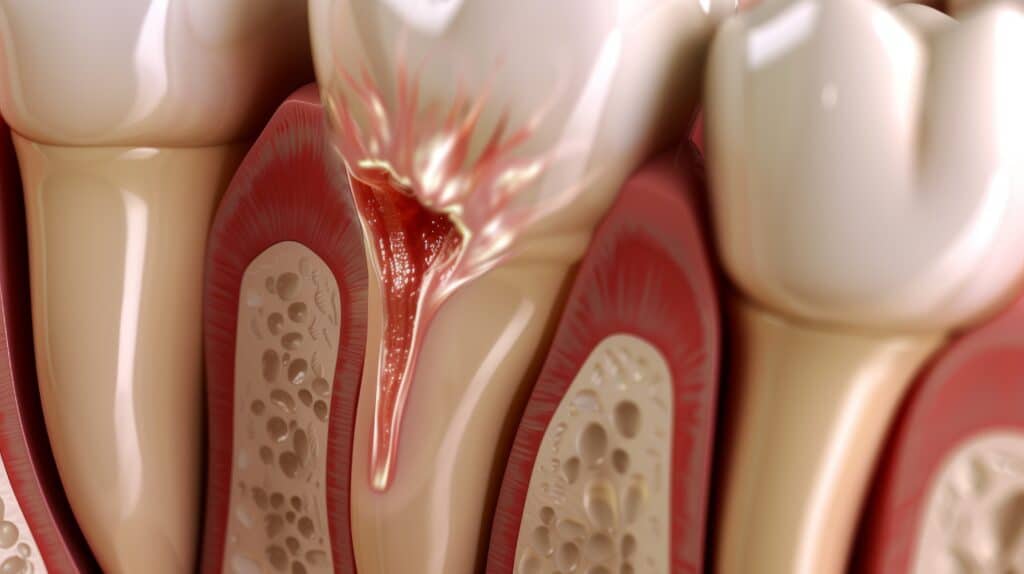
Root canal treatment is designed to save a natural tooth by removing infected or inflamed tissue from inside the tooth and sealing the root canal system. In many cases, a properly treated tooth can continue functioning for years. Occasionally, however, infection or inflammation can persist or return around the tip of the tooth’s root.
When conventional root canal treatment or retreatment can’t fully resolve the problem, an apicoectomy may offer another opportunity to save the natural tooth.
At Northern Colorado Endodontics, we specialize in diagnosing and treating complex problems involving the inside of the tooth and its roots. If a previously treated tooth continues to cause problems, understanding the role of an apicoectomy can help you feel more prepared for your treatment options.
What Is an Apicoectomy?
An apicoectomy is a type of endodontic surgery used to treat persistent infection or inflammation near the tip of a tooth’s root.
The procedure is sometimes called a root-end surgery or root-end resection.
During an apicoectomy, an endodontist accesses the root through the gum tissue rather than entering through the top of the tooth. The infected or inflamed tissue surrounding the root is removed along with a small portion of the root tip.
The end of the root canal is then carefully cleaned and sealed to help prevent bacteria from causing another infection.
The goal is to address the source of the problem while allowing the natural tooth to remain in place.
Why Can a Tooth Still Have Problems After a Root Canal?
Root canal treatment has a high rate of success, but teeth can have complicated internal anatomy.
A tooth’s root canal system can contain extremely small branches, curves, or narrow spaces. In some situations, bacteria may remain in an area that is difficult to reach during conventional treatment.
A previously treated tooth may also develop a new problem later.
Possible reasons a tooth may require additional endodontic care include:
- Complex or unusually shaped root canals
- Narrow canals that were difficult to treat
- New decay that exposes the tooth to bacteria
- A cracked or damaged restoration
- A fracture in the tooth
- Persistent infection near the root tip
- Delayed placement of a final restoration
- New contamination of the root canal system
If symptoms return, it doesn’t automatically mean the tooth must be extracted. Your endodontist can evaluate the tooth and determine whether retreatment, an apicoectomy, or another option is appropriate.
What Is Root Canal Retreatment?
When a previously treated tooth develops a new or persistent problem, root canal retreatment may be considered first.
During retreatment, the endodontist reopens the tooth and removes the existing root canal filling materials. The canals are carefully examined, cleaned, disinfected, and filled again.
Retreatment gives the endodontist another opportunity to address areas that may not have been accessible or apparent during the original procedure.
However, conventional retreatment isn’t always the best solution.
Sometimes the problem is concentrated around the very end of the root. In other situations, accessing the root canal system through the top of the tooth may be difficult because of an existing crown, post, or other restoration.
That’s when an apicoectomy may be considered.
When Is an Apicoectomy Recommended?
An apicoectomy may be recommended when inflammation or infection continues around the root tip and conventional treatment cannot adequately address the problem.
For example, imaging may show a persistent area of infection around the end of a root even though the tooth has already undergone root canal treatment.
An endodontist may also recommend root-end surgery when retreating the tooth through the crown could compromise an existing restoration or when certain aspects of the tooth’s anatomy make conventional retreatment less predictable.
Every situation is different. A thorough examination and appropriate imaging are necessary to determine why the tooth is having problems and which treatment approach offers a reasonable opportunity to preserve it.
What Happens During an Apicoectomy?
Before treatment, your endodontist will evaluate the affected tooth and review diagnostic images to better understand the root anatomy and surrounding structures.
The area is numbed with local anesthetic to help keep you comfortable.
A small opening is made in the gum tissue near the affected tooth so the endodontist can access the bone and root tip. Inflamed or infected tissue is removed, along with a small portion of the end of the root.
The root end is then carefully prepared and sealed with a filling material.
Once treatment is complete, the gum tissue is repositioned and sutured. Over time, the bone around the root can heal.
Because an apicoectomy treats the tooth from the root end, it allows the endodontist to address certain problems that may not be reachable through conventional root canal treatment.
Is an Apicoectomy Painful?
It’s understandable to feel nervous when you hear the words “endodontic surgery.”
Local anesthetic is used during an apicoectomy to numb the treatment area. Your endodontist will also provide instructions for what to expect during recovery and how to manage discomfort afterward.
Some swelling, tenderness, or soreness around the treatment area can occur as the tissues heal. These symptoms generally improve as recovery progresses.
Following your endodontist’s aftercare instructions is important. This may include recommendations about eating, brushing around the surgical site, physical activity, and medications.
Contact your endodontist if you experience symptoms that are severe, unexpected, or worsening rather than improving.
What Is Recovery Like After an Apicoectomy?
Recovery varies depending on the tooth being treated and the individual patient.
You may experience mild swelling or soreness during the first several days. Applying a cold compress as directed and following medication recommendations may help with discomfort.
You’ll also want to be careful around the surgical area while brushing and eating. Avoid disturbing the site while it begins to heal.
Your endodontist may schedule a follow-up appointment to evaluate healing and remove sutures if necessary.
While the gum tissue can heal relatively quickly, the bone surrounding the root requires more time to fully heal.
Why Save the Natural Tooth?
When possible and appropriate, preserving your natural tooth has several advantages.
Your natural teeth help maintain normal chewing function and bite alignment. Removing a tooth leaves a space that may eventually need to be restored with a dental implant, bridge, or another tooth-replacement option.
An apicoectomy can sometimes provide another opportunity to preserve a tooth that might otherwise require extraction.
However, not every tooth can or should be saved. Significant fractures, severe structural damage, periodontal problems, or other complications can affect whether endodontic surgery is appropriate.
An endodontist can evaluate the tooth and explain the available options based on its individual condition.
Why See an Endodontist for Persistent Tooth Problems?
Endodontists are dentists who complete additional specialized training focused on diagnosing tooth pain and treating problems involving the dental pulp and tissues surrounding tooth roots.
Their advanced training and technology can be especially valuable when a tooth has already undergone root canal treatment but continues to cause symptoms.
Detailed imaging and magnification can help an endodontist evaluate complex anatomy and determine why a previously treated tooth isn’t healing as expected.
That evaluation helps determine whether root canal retreatment, an apicoectomy, or another treatment approach is appropriate.
Explore Your Tooth-Saving Options at Northern Colorado Endodontics
Persistent symptoms after a root canal don’t necessarily mean that your natural tooth is out of options.
When conventional root canal retreatment isn’t enough—or isn’t the most appropriate approach—an apicoectomy may allow an endodontist to directly treat infection or inflammation around the root tip and preserve the tooth.
At Northern Colorado Endodontics, our team focuses on specialized endodontic care designed to address complex tooth and root problems.
If you’ve previously had a root canal and are experiencing renewed pain, tenderness, swelling, or another concern, schedule an evaluation with Northern Colorado Endodontics. We can identify what’s happening beneath the surface and discuss the treatment options available to help protect your natural smile.