

Root Canal Retreatment: Why Would a Treated Tooth Need Another Procedure?
October 9, 2026
Dental Trauma: Can an Injured Tooth Still Be Saved?
October 21, 2026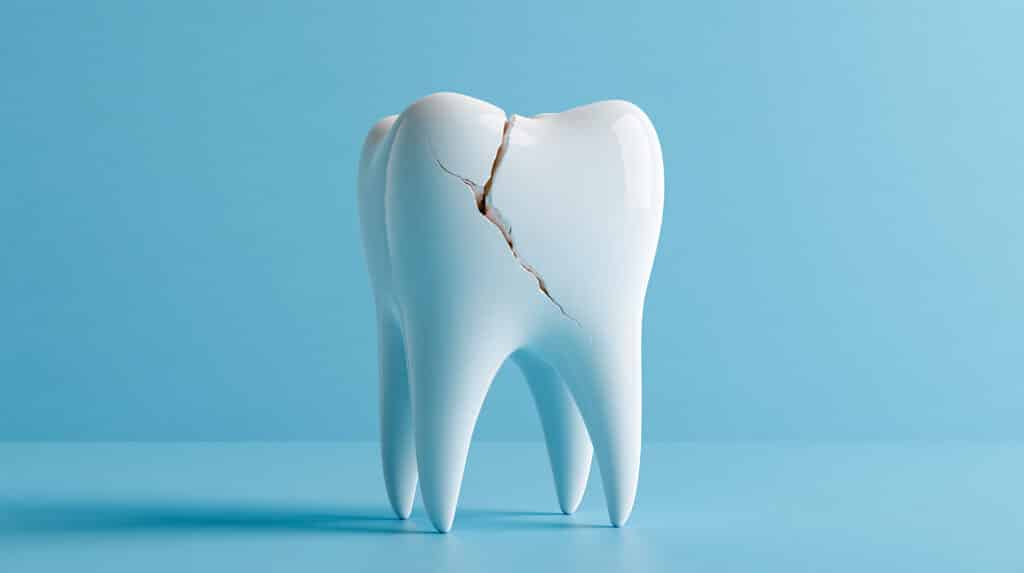
Have you ever felt a sharp pain when biting into something or noticed sudden sensitivity in a tooth that previously felt fine? While these symptoms can have several causes, they may be signs of a cracked tooth. Even a small crack can create problems if it extends deeper into the tooth or allows bacteria to reach sensitive inner tissues.
Cracked teeth are a common dental concern, especially among adults. They can develop from everyday habits like chewing hard foods, grinding your teeth, or putting excessive pressure on a weakened tooth. Some cracks are superficial and harmless, while others can threaten the health of the entire tooth.
At Northern Colorado Endodontics, we understand how important it is to identify and address tooth cracks before they lead to more serious complications. As specialists in diagnosing tooth pain and treating problems involving the inside of the tooth, endodontists play an important role in helping patients preserve their natural teeth.
Understanding the warning signs of a cracked tooth can help you recognize when it’s time to seek professional dental care.
What Is a Cracked Tooth?
A cracked tooth occurs when a fracture develops in the tooth’s structure. The crack may affect only the outer enamel or extend into the deeper layers of the tooth.
Your teeth are made up of several important layers:
-
Enamel: The hard outer layer that protects your tooth.
-
Dentin: The softer layer beneath enamel that contains microscopic tubules connected to the tooth’s inner tissues.
-
Pulp: The innermost portion of the tooth, containing nerves, blood vessels, and connective tissue.
When a crack is limited to the enamel, it may not cause any symptoms. However, if it extends into the dentin or pulp, it can lead to sensitivity, discomfort, and inflammation.
Unlike bones, cracked teeth cannot naturally heal by growing new tissue across the fracture.
This means that early diagnosis and appropriate treatment are important for preventing further damage.
What Causes Teeth to Crack?
Teeth are incredibly strong, but they aren’t indestructible. Over time, repeated pressure, wear, and certain habits can increase the likelihood of fractures.
1. Chewing Hard Foods
Biting into hard foods can place significant pressure on your teeth.
Common examples include:
-
Ice
-
Hard candies
-
Popcorn kernels
-
Nuts with hard shells
-
Other unexpectedly hard foods
A single forceful bite may be enough to crack a tooth, particularly if the tooth is already weakened.
2. Teeth Grinding and Clenching
Bruxism, the medical term for teeth grinding or clenching, places repeated stress on tooth surfaces.
Many people grind their teeth while sleeping without realizing it.
Over time, this pressure can contribute to enamel wear, tooth fractures, and jaw discomfort.
Patients who frequently grind their teeth may benefit from a custom nightguard to help reduce damaging forces.
3. Large Dental Fillings
Dental fillings restore teeth damaged by cavities, but teeth with extensive restorations may have less remaining natural tooth structure.
When a significant portion of a tooth has been removed due to decay or previous treatment, the remaining structure may be more vulnerable to cracking.
In some cases, a dental crown may be recommended to provide additional protection.
4. Dental Injuries
Accidents, sports injuries, falls, and other forms of trauma can cause teeth to crack.
Sometimes the damage is immediately visible, while other fractures may be difficult to detect.
If you’ve experienced a blow to the mouth, a dental examination can help identify injuries that may require treatment.
5. Everyday Wear and Aging
Years of chewing and repeated pressure can contribute to the development of small cracks in tooth enamel.
Cracked teeth are more common in adults, particularly in back teeth that absorb significant chewing forces.
However, people of any age can experience tooth fractures.
What Are the Different Types of Cracked Teeth?
Not all tooth cracks are equally serious. Understanding the different types can help explain why some require minimal intervention while others need specialized treatment.
Craze Lines
Craze lines are tiny, superficial cracks that affect only the outer enamel.
They’re common in adult teeth and typically don’t cause pain.
Because they generally don’t extend into deeper tooth structures, craze lines usually don’t require treatment unless there is a cosmetic concern.
Fractured Cusp
A fractured cusp occurs when part of a tooth’s chewing surface breaks or becomes weakened.
This often happens around a large dental filling.
Depending on the extent of the fracture, treatment may involve a new filling, an onlay, or a dental crown.
If the pulp remains healthy, root canal treatment may not be necessary.
Cracked Tooth
A cracked tooth typically involves a fracture extending from the chewing surface toward the root.
The crack may affect the enamel and dentin and, in some cases, reach the pulp.
If the crack extends into the pulp, root canal treatment may be needed to address inflammation or infection.
The long-term outlook depends on the crack’s location, depth, and whether the tooth can be stabilized.
Split Tooth
A split tooth occurs when a crack progresses far enough to separate the tooth into distinct segments.
This is often the result of an untreated cracked tooth.
Unfortunately, a split tooth usually cannot be saved intact.
In some cases, part of a multi-rooted tooth may be preserved, but extraction is often necessary.
Vertical Root Fracture
A vertical root fracture begins in the root and extends toward the chewing surface.
These fractures can be especially difficult to detect because they may cause few symptoms initially.
Over time, bacteria can enter the surrounding tissues and cause localized inflammation or infection.
Vertical root fractures often require extraction of the affected tooth or root.
What Are the Warning Signs of a Cracked Tooth?
One of the challenges of diagnosing cracked teeth is that symptoms can vary significantly.
Some patients experience sharp pain, while others notice only occasional sensitivity.
Common warning signs include:
-
Sharp pain when biting or chewing
-
Pain when releasing biting pressure
-
Sensitivity to hot or cold temperatures
-
Discomfort that comes and goes
-
Pain when chewing certain foods
-
Swelling around the affected tooth
-
Difficulty identifying exactly which tooth hurts
Pain that occurs when releasing biting pressure is a particularly common symptom associated with certain cracked teeth.
This may happen because the cracked portions of the tooth move slightly during chewing, irritating the sensitive tissues inside.
However, not every cracked tooth causes noticeable symptoms.
If you’re experiencing unexplained tooth pain, an endodontic evaluation can help determine whether a fracture may be responsible.
Why Can a Small Tooth Crack Become a Big Problem?
A crack that initially seems minor can become more serious if it extends deeper into the tooth.
Unlike a small surface stain or minor cosmetic imperfection, a structural crack may compromise the tooth’s ability to withstand normal chewing forces.
Cracks Can Spread
Repeated pressure from chewing, grinding, or clenching may cause an existing crack to extend.
As the fracture progresses, more of the tooth’s structure may become affected.
A crack that could initially be managed with a protective restoration may eventually become too extensive to repair.
Bacteria Can Reach the Pulp
When a crack extends through the enamel and dentin, it may create a pathway for bacteria to reach the inner portion of the tooth.
The pulp contains nerves and blood vessels that help support tooth development and function.
Bacterial contamination can lead to inflammation or infection within this sensitive tissue.
Tooth Pain May Become More Severe
Early symptoms may include occasional discomfort when biting.
As the crack progresses, patients may develop lingering temperature sensitivity, spontaneous toothaches, or pain that interferes with eating.
However, the severity of pain doesn’t always indicate how extensive the crack has become.
Infection May Develop
If bacteria reach the pulp and cause infection, the surrounding tissues may become inflamed.
In some cases, an abscess can develop near the tooth’s root.
Symptoms may include swelling, tenderness, or persistent discomfort.
Prompt treatment can help prevent additional complications.
The Tooth May Become Unsavable
One of the biggest concerns with cracked teeth is that fractures extending too far below the gumline or into the root may make the tooth impossible to restore predictably.
Early diagnosis can improve the chances of preserving a tooth before the damage becomes extensive.
How Do Endodontists Diagnose Cracked Teeth?
Cracked teeth can be difficult to diagnose because fractures aren’t always visible during a routine examination.
At Northern Colorado Endodontics, specialized evaluation helps identify the source of tooth pain and determine whether a crack may be affecting the tooth’s inner structures.
Diagnostic techniques may include several approaches.
Visual Examination
An endodontist carefully examines the tooth for visible fractures, damaged restorations, or other structural concerns.
Magnification and specialized lighting may help reveal cracks that are difficult to see with the naked eye.
Bite Testing
A bite test involves applying controlled pressure to different areas of the tooth.
If pain occurs when biting or releasing pressure, it may help identify a cracked cusp or another type of fracture.
Temperature Testing
Cold testing and other pulp sensitivity tests help evaluate how the tooth’s nerves respond to stimulation.
These tests can provide information about the health of the pulp and whether inflammation may be present.
Dental Imaging
Dental X-rays help evaluate the roots, surrounding bone, and other structures.
However, many tooth cracks are too small or positioned in ways that make them difficult to see on conventional X-rays.
In certain situations, cone-beam computed tomography (CBCT) may provide additional information.
Even advanced imaging cannot detect every crack, so diagnosis often requires combining several examination techniques.
Can a Cracked Tooth Be Saved?
In many cases, yes!
Whether a cracked tooth can be saved depends on the location and severity of the fracture, the condition of the pulp, and the amount of healthy tooth structure remaining.
Small cracks that don’t extend deeply into the tooth may be managed with restorative treatment.
If the crack affects the pulp but the tooth remains structurally restorable, root canal treatment may help preserve the natural tooth.
However, cracks that extend deeply into the root or separate the tooth into multiple segments may make extraction necessary.
An endodontist can evaluate the tooth and discuss the likelihood of successful treatment.
When Does a Cracked Tooth Need a Root Canal?
Not every cracked tooth requires root canal treatment.
If the fracture is limited to the enamel or outer dentin and the pulp remains healthy, a filling, onlay, or crown may be sufficient.
However, when a crack causes irreversible pulp inflammation or infection, root canal treatment may be recommended.
During root canal treatment, the endodontist removes the affected pulp tissue, cleans and shapes the root canals, and seals the internal spaces.
This procedure helps eliminate infection or damaged pulp tissue while preserving the remaining tooth structure.
Afterward, the tooth may need a dental crown to provide additional protection against chewing forces.
It’s important to understand that root canal treatment does not physically repair or eliminate the crack itself.
Instead, it addresses problems involving the pulp. The tooth’s long-term prognosis still depends on the extent and location of the fracture.
At Northern Colorado Endodontics, our goal is to help patients understand their treatment options and preserve natural teeth whenever possible.
What Happens If a Cracked Tooth Cannot Be Saved?
Unfortunately, some tooth fractures are too extensive for successful treatment.
If a crack extends deeply below the gumline, involves the root in an unfavorable way, or causes the tooth to split, extraction may be recommended.
After extraction, your dentist can discuss replacement options such as:
-
Dental implants
-
Dental bridges
-
Partial dentures
Replacing a missing tooth may help restore chewing function and prevent neighboring teeth from shifting.
Although preserving natural teeth is generally preferred when possible, removing a severely fractured tooth may be necessary to address infection or prevent further complications.
How Can You Prevent Cracked Teeth?
Not every tooth fracture can be prevented, but certain habits can help reduce your risk.
Avoid Chewing Ice and Hard Objects
Chewing ice, hard candy, or other extremely hard items can place excessive pressure on your teeth.
Avoid using your teeth to open packaging, bite fingernails, or hold objects.
Wear a Nightguard if You Grind Your Teeth
If you frequently grind or clench your teeth, ask your dentist whether a custom nightguard may be appropriate.
A nightguard can help distribute biting forces and reduce stress on your teeth.
Protect Your Teeth During Sports
Contact sports and recreational activities can increase the risk of dental injuries.
Wearing a properly fitted mouthguard can help protect your teeth from trauma.
Address Damaged Dental Restorations
Large or deteriorating fillings may leave teeth more vulnerable to fractures.
Regular dental examinations allow your dentist to evaluate existing restorations and recommend treatment when necessary.
Don’t Ignore Tooth Pain
Pain when biting, unexplained sensitivity, or discomfort that comes and goes may indicate an underlying dental problem.
Seeking evaluation early can help identify issues before they become more serious.
When Should You See an Endodontist for a Cracked Tooth?
If you suspect that you’ve cracked a tooth, it’s important to have it evaluated rather than waiting for the pain to become severe.
Consider scheduling an appointment if you experience:
-
Sharp pain when chewing
-
Sensitivity that lingers after hot or cold exposure
-
Recurring pain in the same tooth
-
Discomfort after biting something hard
-
A visible fracture in a tooth
-
Swelling or tenderness around a tooth
-
Tooth pain that your general dentist has been unable to diagnose
Endodontists receive advanced training in diagnosing complex tooth pain and treating conditions affecting the dental pulp.
If your symptoms suggest a crack involving the inner portion of your tooth, an endodontic evaluation may help determine the appropriate next steps.
Protect Your Natural Teeth With Northern Colorado Endodontics
A small crack in your tooth may not seem like a major concern, but fractures can sometimes progress and lead to more serious dental problems.
From intermittent sensitivity to severe pain or infection, cracked teeth can affect your comfort, chewing ability, and long-term oral health.
The good news is that early diagnosis and appropriate treatment may improve the chances of saving your natural tooth.
At Northern Colorado Endodontics, we’re dedicated to helping patients understand the causes of tooth pain and explore specialized treatment options designed to preserve natural teeth whenever possible.
Whether you’re experiencing pain when biting, unexplained tooth sensitivity, or concerns about a possible fracture, our endodontic team is here to help.
Contact Northern Colorado Endodontics today to schedule an evaluation and learn more about your options for treating cracked teeth.
