
Traumatic dental injuries occur as a result of an accident or sports injury. Treatment depends on the type, location, and severity of each injury. Sometimes, your neighboring teeth suffer an additional, unnoticed injury that can only be detected by a thorough dental exam. Our Endodontist specializes in treating traumatic dental injuries. With their advanced skills, techniques, and technologies they often can save injured teeth. We offer tremendous flexibility in accommodating emergency cases. There are many factors that affect the long-term health of your tooth after an injury, the nature of the injury, the length of time from injury to treatment, and your body’s response. Getting treatment as soon as possible is very important in order to prevent root resorption. Resorption occurs when your body, through its own defense mechanisms, begins to reject your own tooth in response to the traumatic injury.
Dislodged Teeth
Injuries to the mouth can cause teeth to be pushed back into their sockets. Your endodontist or general dentist may reposition and stabilize your tooth. Root canal treatment is usually started within a few weeks of the injury and a medication, such as calcium hydroxide, will be placed inside the tooth. Eventually, a permanent root canal filling will be implanted.
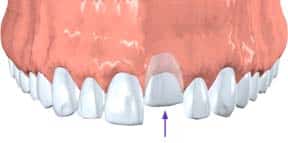
Sometimes a tooth may be pushed partially out of the socket. Again, your endodontist or general dentist may reposition and stabilize your tooth. If the pulp remains healthy, then no other treatment is necessary. Yet, if the pulp becomes damaged or infected, root canal treatment will be required.
Avulsed Teeth
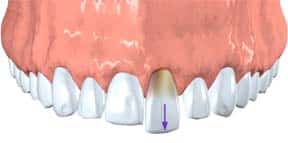
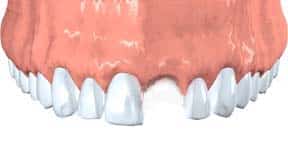
If an injury causes a tooth to be completely knocked out of your mouth, it is important that you are treated immediately! If this happens to you, keep the tooth moist. If possible, put it back into the socket. A tooth can be saved if it remains moist. You can even put the tooth in milk or a glass of water (add a pinch of salt.) Your Endodontist may start root canal treatment based upon the stage of root development. The length of time the tooth was out of your mouth and the way the tooth was stored, may influence the type of treatment you receive.
Injuries in children
An injured immature tooth may need one of the following procedures to improve the chances of saving the tooth:
Apexogenesis
This procedure encourages the root to continue development as the pulp is healed. Soft tissue is covered with medication to encourage growth. The tip of the root (apex) will continue to close as the child gets older. In turn, the walls of the root canal will thicken. If the pulp heals, no additional treatment will be necessary. The more mature the root becomes, the better the chance to save the tooth.
Apexification
In this case, the unhealthy pulp is removed. The doctors place medication into the root to help a hard tissue form near the root tip. This hardened tissue provides a barrier for the root canal filling. At this point, the root canal walls will not continue to develop, making the tooth susceptible to fractures. So it is important to have the tooth properly restored by your dentist.