What is a root canal?

A root canal is one of the most common dental procedures performed, well over 14 million every year. This simple treatment can save your natural teeth and prevent the need of dental implants or bridges.

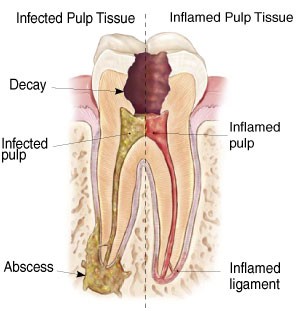
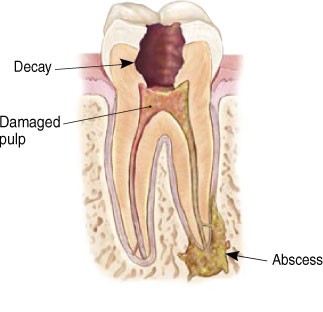
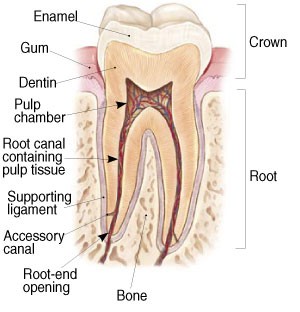
At the center of your tooth is pulp. Pulp is a collection of blood vessels that helps to build the surrounding tooth. Infection of the pulp can be caused by trauma to the tooth, deep decay, cracks and chips, or repeated dental procedures. Symptoms of the infection can be identified as visible injury or swelling of the tooth, sensitivity to temperature or pain in the tooth and gums.

GentleWave System

We are excited to be the first Endodontic practice in Northern Colorado to offer this technology.  The GentleWave System has been successfully used in over 50,000 cases and by hundreds of practitioners throughout the country.  It is by far the most innovative technology in the field of Endodontics today. It couples advanced fluid dynamics with broad spectrum acoustic energy to remove bacteria, debris, tissue, smear layer and even bio-film from the deepest, most complex portions of the root canal system that can not be reached by standard root canal treatment, decreasing the chance of failure over time.  Allows us to conserve more tooth structure and better maintain the integrity of the tooth.  It is less invasive and a more comfortable treatment approach for patients, reducing post-operative discomfort.  https://gentlewave.com/

What happens after treatment?

When your root canal therapy has been completed, a record of your treatment will be sent to your restorative dentist. You should contact their office for a follow-up restoration within a few weeks of completion at our office. Your restorative dentist will decide on what type of restoration is necessary to protect your tooth. It is rare for endodontic patients to experience complications after routine endodontic treatment or microsurgery. If a problem does occur, however, we are available at all times to respond. To prevent further decay, continue to practice good dental hygiene.

How much will it cost?

The cost associated with this procedure can vary depending on factors such as the severity of damage to the affected tooth and which tooth is affected. In general, endodontic treatment is much less expensive than tooth removal and replacement with an artificial tooth.
Root Canal Therapy

Why do I need a root canal?

Sometimes the pulp inside your tooth becomes inflamed or infected. This can be caused by deep decay, repeated dental procedures on the tooth, a crack or chip in the tooth, and trauma to the tooth.
Root Canal Therapy

What are the symptoms?

Signs to look for include pain, prolonged sensitivity to heat or cold, discoloration of the tooth, and swelling and tenderness in the nearby gums. However, in some cases there may be no symptoms.
Root Canal Therapy

How does root canal treatment save the tooth?
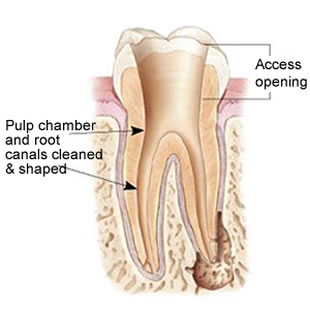
After obtaining good anesthesia, the endodontist removes the inflamed or infected pulp tissue, carefully cleans and shapes the inside of the tooth, then fills and seals the pulp spaces with gutta percha (a root filling material). The number of visits you will need at our office will depend on your particular case. Some treatments take two visits but many require a single visit.
Root Canal Therapy

Will I feel pain during or after root canal treatment?
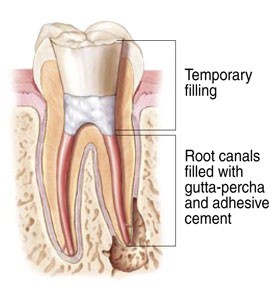
Many endodontic procedures are performed to relieve the pain of toothaches caused by pulp inflammation or infection. With modern techniques and anesthetics, most patients report that they are comfortable during the procedure. For the first few days after treatment, your tooth may feel sensitive, especially if there was pain or infection before the procedure. This discomfort can be relieved with over-the-counter or prescription medications. Follow your endodontist’s instructions carefully. Your tooth may continue to feel slightly different from your other teeth for some time after your endodontic treatment is completed. If you have severe pain or pressure or pain that lasts more than a few days, call our office.
Root Canal Therapy

Will the tooth need any special care or additional treatment?
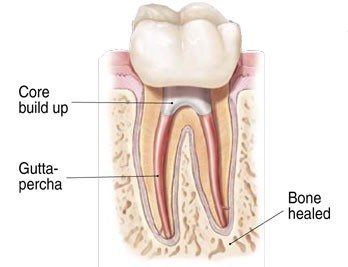
Upon completion of treatment, we will place a temporary filling your tooth. You will need to return to your family dentist to have the tooth restored (crown, filling). We ask that you wait no longer than six weeks to return to your family dentist for the permanent restoration of your tooth. You should not bite or chew on the treated tooth until it has been restored. Otherwise, just practice good oral hygiene brushing, flossing and regular checks-ups and cleanings. We will send you a post card in a year to follow up on the treated tooth. Endodontically treated teeth can last for many years, even a lifetime.
Root Canal Therapy

Will the tooth need any special care or additional treatment?

Upon completion of treatment, we will place a temporary filling your tooth. You will need to return to your family dentist to have the tooth restored (crown, filling). We ask that you wait no longer than six weeks to return to your family dentist for the permanent restoration of your tooth. You should not bite or chew on the treated tooth until it has been restored. Otherwise, just practice good oral hygiene brushing, flossing and regular checks-ups and cleanings. We will send you a post card in a year to follow up on the treated tooth. Endodontically treated teeth can last for many years, even a lifetime.
Root Canal Therapy

Tooth Restoration

After the final visit with your endodontist, you must return to your dentist to have a crown or other restoration placed on the tooth to protect and restore it to full function.